Acast Launches Unified Analytics Dashboard for Audio, Video, and Social
Acast has officially launched a new Analytics dashboard available across all subscription plans, addressing a fundamental shift in how audiences consume podcast content. The move comes as data reveals that 88% of podcast fans now consume both audio and video formats—up significantly from 78% just a year ago, according to Acast’s 2026 Podcast Pulse report.
Why Multi-Platform Analytics Matter
For podcast creators and networks managing multiple distribution channels, fragmented analytics have long been a pain point. Checking downloads in one place, video views in another, and social metrics across three separate platforms creates inefficiencies and makes it difficult to see the complete picture of audience engagement.
Acast’s solution consolidates these metrics into a single, intuitive interface designed specifically for creators who are no longer thinking in terms of “audio-only” or “video-only” content strategies. Instead, successful podcasters are increasingly viewing their work as multi-platform productions requiring unified performance tracking.
What’s Included in the New Dashboard
The analytics dashboard brings several key features to the forefront:
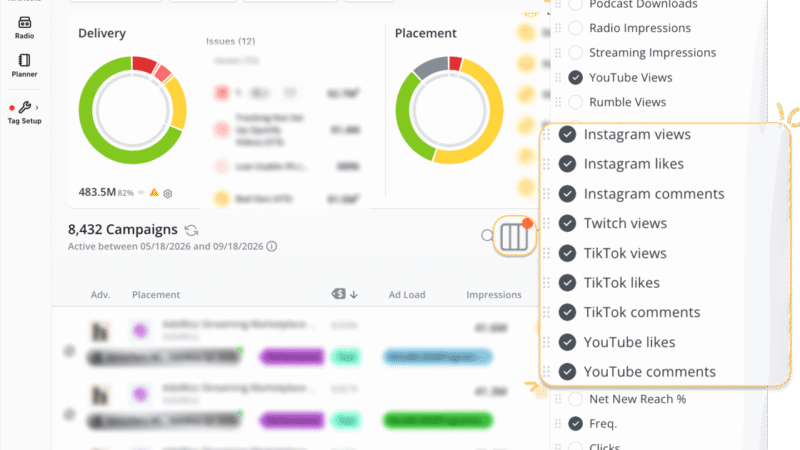
- Combined Audio and Video Metrics: Creators can now view audio downloads alongside Apple Podcasts video views, complete with unique listener counts, unique viewer counts, and a combined figure that avoids double-counting the same audience member.
- Detailed Demographic Insights: Age, gender, location, device type, and app preferences give creators a comprehensive view of who their audience really is.
- Social Media Integration: YouTube, TikTok, and Instagram accounts can be connected to display follower counts and performance metrics alongside podcast data.
- Cross-Show Comparison: Networks and creators managing multiple shows can compare performance across different programs and episodes in a single view.
Early Adopters Report Strong User Experience
The hosts of the I’m Grand Mam podcast, among the first to test the new dashboard, praised its design and functionality. “What stood out to us immediately was how intuitive the platform is,” they said. “Everything you need is right there in front of you without feeling overly complicated.”
They highlighted particular value in the demographic breakdowns and the ability to track performance consistency across regular and bonus episodes—features that previously would have required toggling between multiple analytics platforms.
Part of a Broader Creator-Focused Strategy
Acast has positioned this dashboard launch as part of its larger commitment to transparency and creator empowerment. By giving podcasters clearer insights into their audience composition and cross-platform performance, Acast aims to enable data-driven decisions about content strategy, monetization opportunities, and audience growth.
This is particularly relevant for the Podwires community—producers, editors, and audio engineers who advise creators on strategy. With unified analytics, these professionals can better understand their clients’ performance metrics and make recommendations grounded in comprehensive data.
What This Means for the Podcast Industry
The dashboard reflects an industry-wide reality: podcast consumption is no longer confined to a single medium. Creators are repurposing content across YouTube, TikTok, Instagram, and traditional podcast platforms. Analytics that force creators to manually aggregate this data are increasingly outdated.
As more platforms move toward integrated analytics for multi-format content, we can expect this to become the standard rather than the exception. For independent creators and small networks, consolidated analytics can level the playing field by providing insights previously available only to larger productions with dedicated analytics teams.
For more details on how the dashboard works and how to access it, read Acast’s full blog post on the new Analytics dashboard.
Source: Podwires Newsletter