Spotify is implementing a new industry standard for measuring podcast plays, counting a listen or view only after 30 seconds of consumption, and rolling out expanded creator analytics tools designed to give podcasters clearer insight into audience engagement and growth patterns.
The streaming audio platform said the 30-second threshold for a counted play reflects intentional listener consumption and filters out accidental starts and low-intent activity based on its audience behavior data. Spotify spent the past year collaborating with the Alliance for Measurement in Podcasting (AMP), an industry coalition, and its research helped inform AMP’s newly announced podcast plays definition standard, which Spotify is now implementing across its creator platform.
The new measurement standard addresses a longstanding challenge in podcast analytics, where inconsistent play-count methodologies across platforms have made it difficult for creators and advertisers to compare performance metrics and assess true audience reach. Industry observers have noted that without standardized measurement, podcast audience data remains fragmented and unreliable compared to metrics in music streaming or video platforms.
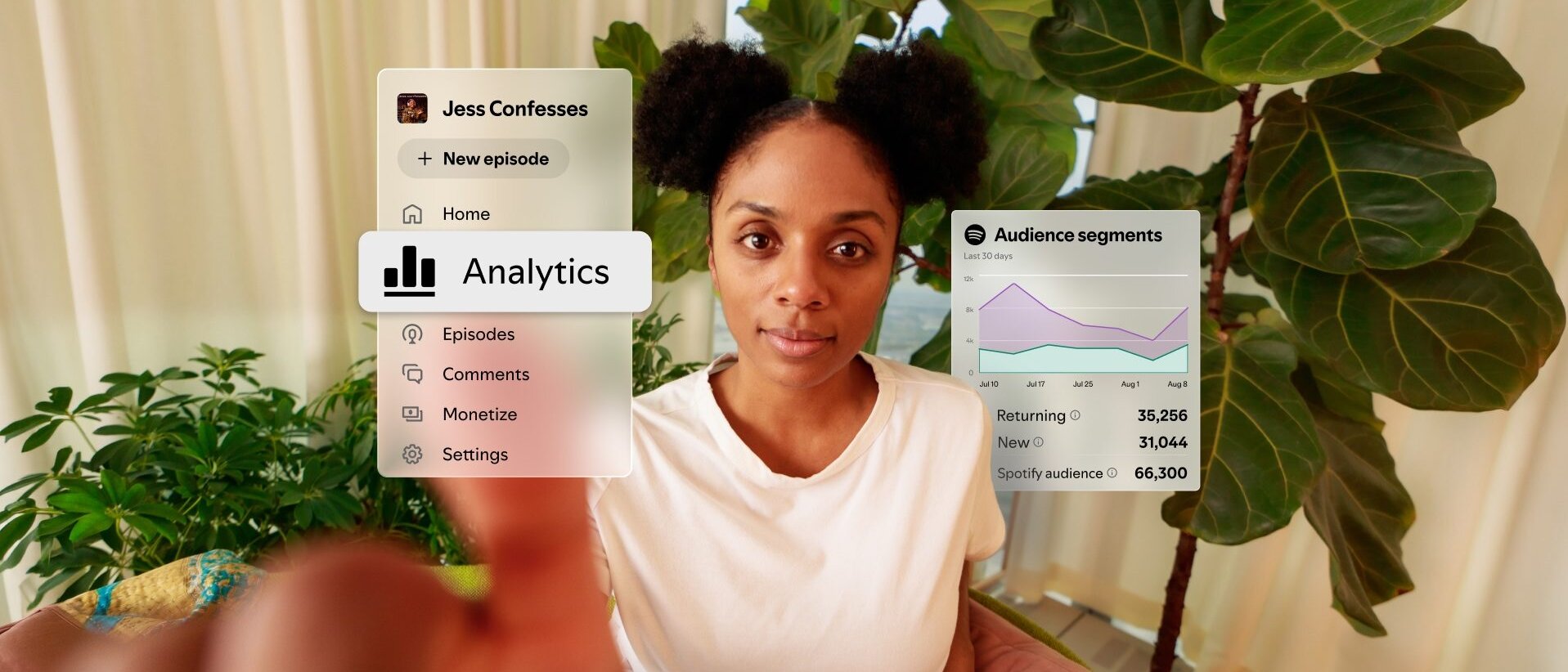
Alongside the new plays metric, Spotify is introducing several new analytics features within Spotify for Creators, its creator-facing dashboard. The updates include new charts and trends tools, an engagement tab that allows creators to track fan activity, and the ability to break down audiences between first-time listeners and returning fans. Creators can now compare individual episode performance against their full catalog and access expanded historical data dating back to their first day on the platform.
The announcement signals Spotify‘s effort to compete with other podcast platforms by providing creators with more granular audience intelligence. Podcast creators and producers have increasingly demanded transparent, comparable metrics as podcast advertising has grown more sophisticated and programmatic buying has expanded. These tools may help creators better justify advertising rates to sponsors and identify which content formats and topics drive the most engaged audiences.
For the broader podcast industry, adoption of a standardized 30-second play metric could reshape how podcast performance is evaluated and reported. Networks, independent producers, and advertisers have long struggled with conflicting play-count methodologies that vary by platform. If AMP‘s definition gains industry-wide acceptance, it could establish a common language for measuring podcast success, similar to how the Media Rating Council sets standards for traditional broadcast measurement.
The move also reflects Spotify‘s strategy to deepen its creator ecosystem and differentiate its podcasting offering. Since acquiring major podcast studios and launching exclusive content deals, Spotify has positioned itself not only as a distribution platform but as a full-service creator platform. Enhanced analytics and transparent metrics are designed to make Spotify for Creators more competitive with alternatives and encourage creators to prioritize the platform in their production and distribution strategies.
Spotify said the combination of the new 30-second play standard and the expanded analytics tools gives creators “a more consistent way to measure real engagement and see how their stories connect with audiences around the world.” The company also noted that the redesigned homepage in Spotify for Creators surfaces the most actionable data at a glance, addressing creator feedback that dashboards should prioritize clarity and usability.
The initiative underscores how measurement standards have become central to podcast industry maturation. As podcasting shifts from a niche medium to a mainstream advertising and subscription revenue channel, the need for transparent, auditable metrics has intensified. The 30-second threshold mirrors similar standards in video streaming, where platforms like YouTube count views after three seconds of playback. Establishing comparable metrics may accelerate podcast advertising growth by reducing buyer skepticism about audience verification.
Industry analysts have noted that podcast measurement remains fragmented compared to other media. Traditional radio relies on Nielsen and PPM technology; digital audio relies on various proprietary tracking methods. AMP‘s involvement in developing the 30-second standard suggests the industry is moving toward greater coordination on measurement best practices, though full adoption across all platforms remains uncertain.
For podcast producers and audio professionals, the expanded Spotify analytics represent an opportunity to make more data-driven decisions about episode release timing, content themes, and audience segmentation. Access to historical play data and engagement trends could help creators refine their production strategies and pitch more compelling advertising packages to sponsors.
Going forward, the success of Spotify‘s new measurement standard will likely depend on whether competing platforms such as Apple Podcasts, Amazon Music, and independent podcast hosting services adopt similar methodologies. Standardized metrics across the ecosystem would benefit the entire creator community and could accelerate podcast advertising investment by establishing clearer audience accountability.
Source: Google — Read the original article →