Captivate, a podcast hosting and analytics platform, has released detailed guidance on launching podcasts in 2027, emphasizing strategic planning and audience targeting over technical complexity, according to material published November 5, 2026.
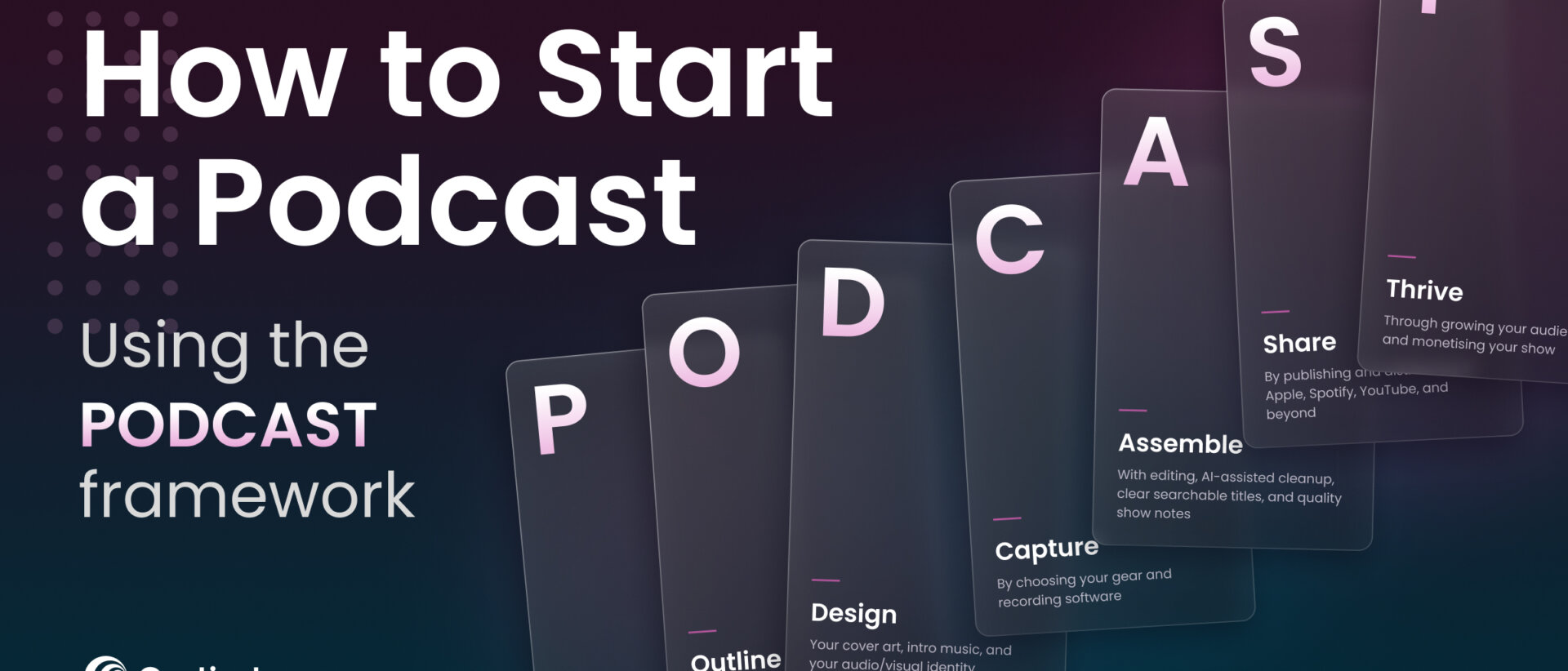
The guidance, authored by Matthew McLean, leverages nearly 17 years of podcasting experience to outline a seven-stage framework called the PODCAST Framework: Plan, Outline, Design, Capture, Assemble, Share, and Thrive. The approach prioritizes foundational decisions about podcast purpose, topic selection, and target audience before addressing equipment, recording software, or distribution channels, according to the Captivate publication.
The guidance identifies several critical early-stage decisions for prospective podcasters. Potential creators should first establish their “why” — whether seeking a creative outlet, sharing expertise, or deepening customer relationships — as this determination will guide all subsequent decisions and define success metrics. The framework then emphasizes narrowing podcast topics to specific audience segments rather than broad categories. Instead of launching a general “business podcast,” the guidance suggests targeting “single parents setting up Etsy stores,” or replacing a generic “fitness” focus with content for people recovering from life-threatening conditions. This niche-down approach reduces total addressable audience size but positions shows as unique offerings with minimal direct competition.
According to the Captivate guidance, podcast naming should prioritize descriptive clarity over cleverness for new shows with no existing audience. McLean notes that search visibility and listener comprehension benefit from straightforward titles, using his own “Tabletop Miniature Hobby Podcast” as an example of effective naming that clearly signals content focus. The guidance recommends verifying name availability across major podcast applications before committing to branding or domain purchases.
The framework addresses format selection, recommending that new podcasters start with audio-only production rather than immediately incorporating video elements, which introduce increased production costs and complexity. However, the guidance notes that audio-only shows can be published to video platforms like YouTube and remain viable without video components. Should creators later add video, the guidance emphasizes maintaining audio-first design principles: content must remain comprehensible with the screen off. Format choices between solo hosting, co-hosted shows, and interview-based programs each present distinct advantages and challenges, according to the material. Solo formats position individual hosts as authorities and thought leaders but require developing confident solo presentation skills. Co-hosted shows build compelling chemistry and audience engagement but present scheduling, commitment, and ownership complications. Interview formats diversify perspectives and introduce new audiences through guest appearances but require consistent guest sourcing.
No direct quotes from industry analysts or podcast executives were available in the source material. Captivate’s guidance represents the platform’s recommendations rather than third-party expert commentary on podcast launch trends.
For podcast producers and audio professionals, this guidance signals industry emphasis on strategic planning over technical barriers to entry. The framework suggests that equipment and software selection should occur only after creators establish purpose, audience, and format — positioning production tools as secondary implementation details rather than primary launch considerations. This approach may influence how hosting platforms, microphone manufacturers, and audio software vendors market products to new podcasters.
The podcast industry has experienced sustained audience growth and advertiser investment through 2026, with major platforms including Spotify, Apple Podcasts, and YouTube expanding audio content offerings. Guidance from hosting platforms like Captivate reflects ongoing effort to lower barriers to podcast creation and help new creators avoid common early-stage mistakes. The emphasis on niche audience targeting aligns with broader podcast industry trends showing higher engagement and retention in specialized programming versus broad-appeal shows.
The Captivate framework represents one approach among numerous podcast launch guides available to new creators. The seven-stage methodology addresses planning, content design, audio capture, post-production assembly, distribution strategy, and audience growth and monetization. Timeline expectations remain realistic: the guidance acknowledges that creator motivation fluctuates and suggests sustainable success depends more on deep topic knowledge or genuine curiosity than initial enthusiasm.
For podcast creators entering the space in 2027, this guidance underscores that strategic decisions about audience targeting and content positioning require equal or greater attention than technical production setup. The framework’s emphasis on niche selection and clear audience definition suggests that successful podcast launches increasingly depend on understanding and serving specific listener communities rather than attempting broad-appeal programming. As the podcast ecosystem matures and competition increases across genres, specialized audience targeting remains a reliable differentiator for new shows seeking sustainable growth and listener loyalty.
Source: Captivate — Read the original article →