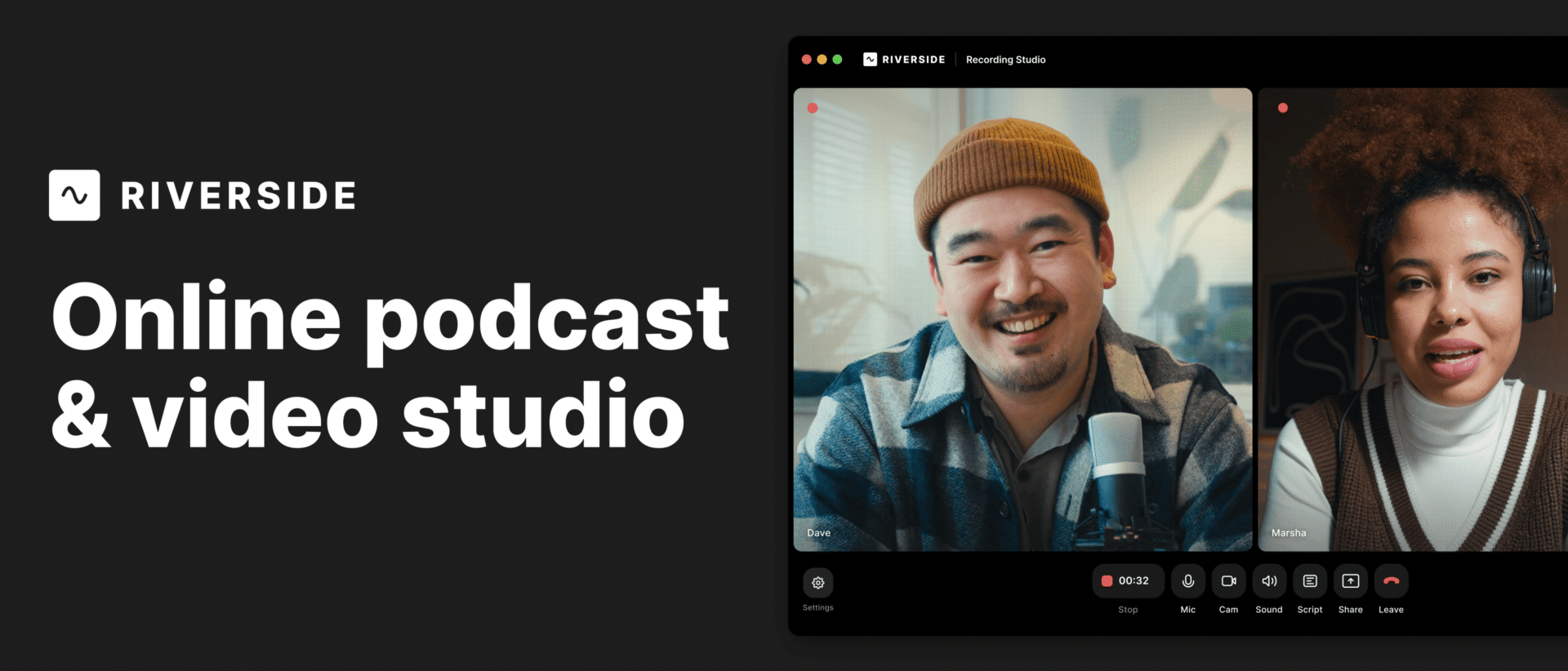
Riverside, an artificial intelligence-powered content creation platform, is broadening its feature set to enable podcast producers, video creators, and media professionals to record, edit, and distribute studio-quality content across multiple formats and distribution channels without requiring dedicated production staff.
The platform now offers capabilities spanning podcast recording and hosting, live streaming to multiple destinations simultaneously, video editing with text-based controls, and automated content repurposing. Riverside supports recording in up to 4K video resolution with uncompressed audio captured in separate tracks, designed to function independently of internet connectivity during sessions. The company reports a 4.8 rating on G2 with 1,582 user reviews and counts creators with audiences exceeding 6 million subscribers among its user base.
The expansion reflects broader industry trends toward consolidating production workflows into single platforms. Content creators have historically relied on multiple specialized tools for recording, editing, transcription, and distribution — a fragmented approach that requires technical expertise and significant time investment. Riverside integrates these functions into a unified environment accessible through web browsers and native applications.
Ali Abdaal, a content creator with 6.4 million YouTube subscribers, said “Riverside makes it incredibly easy to create high quality content right from your browser.” Colin and Samir, YouTubers with 1.5 million subscribers, stated “Riverside is the best tool to cut down on editing time while keeping your production quality high.” Julie Bergstein, senior brand marketing manager, noted “The Full HD streaming and real-time engagement elevated the event, and the overall quality was outstanding.”
For podcast producers and audio professionals, the platform’s AI-driven audio enhancement tools address common production challenges. The system removes background noise, optimizes microphone quality regardless of recording environment, eliminates filler words and silences, and generates transcriptions automatically. These capabilities reduce post-production labor, particularly valuable for independent creators and small production teams operating without dedicated audio engineers.
The platform’s positioning within the broader content creation ecosystem reflects intensifying competition among all-in-one production suites. Services including Riverside compete with established players such as Descript, StreamYard, and Adobe’s Creative Cloud suite. The market has consolidated around feature parity across major tools, with differentiation increasingly centered on artificial intelligence capabilities, ease of use, and pricing accessibility.
Riverside offers a free tier requiring no credit card, with premium plans available for professional users and enterprise teams. The company provides podcast hosting integration with direct publishing to Spotify, Apple Podcasts, YouTube, and other major distribution platforms. Analytics dashboards deliver performance metrics including audience behavior tracking and episode success measurement. Built-in tools generate show titles, descriptions, chapters, and optimized keywords for discoverability.
The platform’s AI co-creator feature transforms single recordings into multiple promotional assets including video clips, social media posts, thumbnails, and headlines formatted for individual platforms. Advanced capabilities include speech correction through transcript editing with synchronized video adjustment, eye contact correction, automated layout selection based on speaker identification, and multi-language translation with voice dubbing across 30 languages. These features address specific pain points in content distribution, where creators must adapt single productions for varied platform requirements and audience demographics.
For the podcast and audio production industry, platforms like Riverside continue lowering technical and financial barriers to professional-quality production. Independent creators and small production companies can now access capabilities previously requiring significant capital investment in hardware, software licenses, and specialized personnel. This democratization expands the competitive landscape by enabling more creators to achieve production standards previously associated with established media organizations. Industry professionals should expect continued feature expansion across AI-driven editing, automated asset generation, and cross-platform publishing as competition intensifies within the all-in-one content creation category.
Source: Riverside — Read the original article →