The line between podcasting and television is dissolving faster than anyone predicted, and the institutions scrambling to position themselves on the right side of that line now include public media, organized labor, and legacy cable news. PBS News announced the launch of “Settle In with PBS News,” a weekly video podcast designed to reach audiences who abandoned appointment viewing but haven’t fully committed to streaming — a gap the network is betting on video podcasting to fill. The move signals that even publicly funded newsrooms feel the structural pressure to treat podcasting less as audio distribution and more as a visual programming strategy.
That pressure has a theoretical underpinning that’s getting harder to dismiss. Bloomberg published an analysis framing the end of habitual listening — the kind of ambient, background audio consumption that built podcasting’s early audience — as the medium’s most consequential threat. The argument holds that video podcasts don’t just compete with audio formats; they actively retrain audience behavior away from the conditions that made audio-first podcasting viable in the first place. Producers who built shows around commute listening and passive consumption are now competing in an environment where audiences expect eye contact.
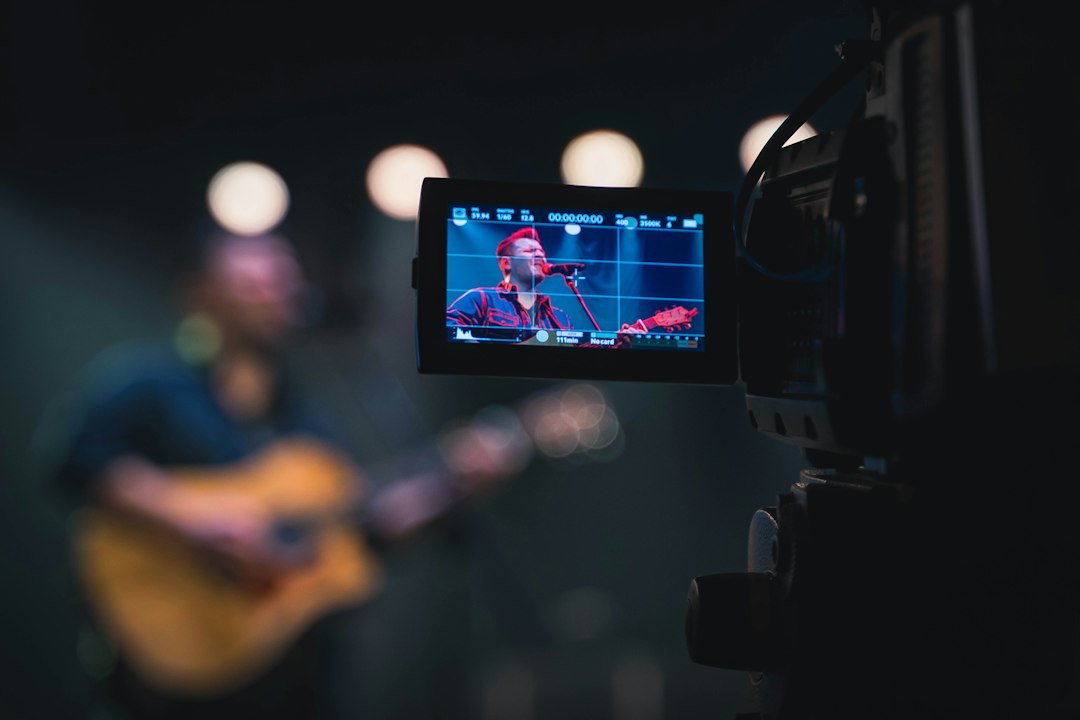
The New Yorker examined that same behavioral shift through the lens of CNN’s adoption of what it called a “podcast look” — static cameras, conversational framing, intimate studio setups that mimic the visual grammar of Joe Rogan and Call Her Daddy more than Anderson Cooper. The piece characterized the aesthetic as evidence of cable news’s slow institutional death, with television executives borrowing credibility from a medium they spent years underestimating. For podcast professionals, the read cuts both ways: the format is winning culturally, but the incumbents arriving late are bringing enormous production budgets and existing audience reach.
SAG-AFTRA is watching all of it closely. The Hollywood Reporter covered the union’s expanding focus on podcast coverage, with officials noting that the rise of video podcasts creates new jurisdiction questions around what constitutes a performer, what qualifies as a production, and which contracts apply when a show that looks like television distributes through RSS. The union hasn’t reached firm conclusions publicly, but its engagement signals that the labor frameworks governing Hollywood are beginning to treat video podcasting as a production category that can’t be left in a regulatory gray zone indefinitely. For independent producers and network operators running video shows, that conversation will matter sooner than most are prepared for.
The Reuters Institute for the Study of Journalism published a detailed report on the shifting economics of news podcasting specifically, tracking the transition from listener-supported and advertiser-funded audio to hybrid visual formats that open new revenue streams while complicating existing ones. The report identified a growing divergence between news podcasts that are succeeding by going deeper — longer episodes, more committed audiences, stronger subscription revenue — and those attempting to broaden reach through video, which requires capital investment that most independent newsrooms can’t sustain. The finding reinforces a bifurcation that producers in news-adjacent verticals are already experiencing: the middle ground between niche audio depth and full visual production is becoming an increasingly dangerous place to operate.
Pew Research Center’s latest State of the News Media data on audio and podcasts adds numerical weight to what the industry has been feeling directionally. Podcast listenership continues to grow in raw numbers, but the rate of growth among younger demographics is flattening even as video podcast viewership climbs. The data doesn’t suggest audio is dying — it suggests audio’s monopoly on the podcast audience is ending, and that producers still optimizing exclusively for ears are leaving a measurable portion of potential reach on the table.
Spotify, which has been loudest in documenting its own role in the industry’s development, kicked off a week of events tied to its claim of contributing more than $10 billion to the podcast ecosystem. The company’s framing positions it as infrastructure rather than platform — a distinction that matters as antitrust conversations around streaming consolidation intensify. For podcast networks and independent operators, Spotify’s self-celebration is less interesting than what the week’s programming reveals about where the company sees growth: video, live audio, and creator monetization tools that push hosts toward platform dependency.
The through line across all of it is that podcasting is in the middle of a format renegotiation that no single player controls. The producers, editors, and network operators who understand that the medium is being redefined — not just expanded — are the ones most likely to navigate what comes next.